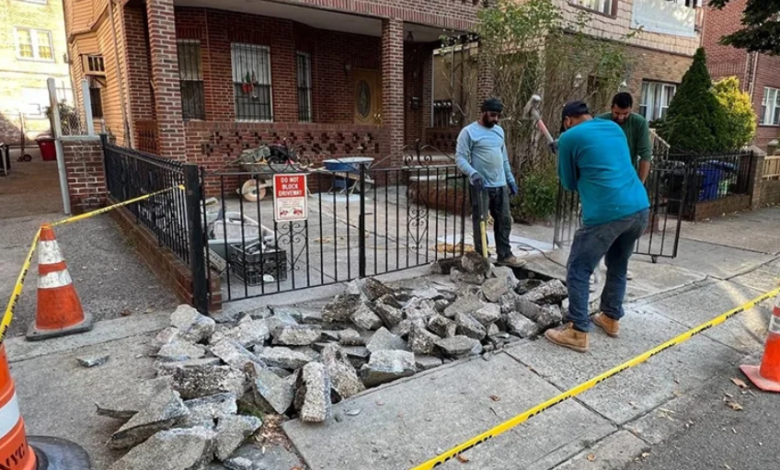
Sidewalks are essential features of urban environments, providing safe and accessible routes for pedestrians while contributing to the overall design of communities. Over time, these pathways face wear from weather, tree roots, heavy foot traffic, and shifting soil, making repair projects an ongoing necessity. Modern sidewalk repair has undergone significant evolution, with newer techniques emphasizing durability, sustainability, and efficiency. Municipalities, contractors, and property owners now have access to a range of innovative methods that minimize disruptions while enhancing long-term performance. By adopting modern approaches, communities ensure sidewalks remain functional, visually appealing, and safe for years to come.
Advanced concrete lifting techniques
One of the most widely used modern methods in sidewalk repair involves concrete lifting, also known as slab jacking or polyurethane foam injection. This approach addresses uneven surfaces caused by soil settling or erosion without requiring complete replacement. Contractors drill small holes into the affected slab and inject a specialized material that expands beneath the surface, raising the concrete back to its original level. Compared to traditional tear-out and replacement methods, this method is faster, less disruptive, and more cost-effective, making it a preferred choice in many urban projects. For example, areas in New York City have seen significant adoption of such methods due to the challenges of maintaining pedestrian safety in high-traffic zones. By improving stability while minimizing downtime, concrete lifting ensures sidewalks remain accessible and functional, even in densely populated urban settings.
Sustainable material innovations
Modern sidewalk repair projects also emphasize sustainability, incorporating recycled and eco-friendly materials to reduce environmental impact. Instead of using traditional concrete mixes exclusively, many projects now integrate recycled aggregates or supplementary materials, such as fly ash and slag, to strengthen the mixture while reducing its carbon footprint. Additionally, permeable concrete and pavers are being used to enhance drainage and prevent water pooling, which can cause long-term damage to sidewalks. These materials allow rainwater to filter through rather than running off, reducing strain on stormwater systems. The focus on sustainability also extends to minimizing waste during repair by reusing as much of the original material as possible. This combination of eco-friendly practices and durable materials not only extends the life of sidewalks but also aligns with broader urban sustainability goals.
See also: World Techie News Feedworldtech
Precision cutting and replacement methods
In cases where slabs are too damaged for lifting or patching, precision cutting and selective replacement have become popular solutions. Rather than replacing entire sidewalk sections, contractors can now isolate only the damaged portion, cutting it out with advanced saws that create clean edges for new concrete to be poured. This targeted method reduces costs, limits material waste, and shortens project timelines. Additionally, modern curing compounds and finishing techniques ensure that the repaired sections blend seamlessly with the surrounding concrete, maintaining both function and appearance. By adopting this precise approach, cities and property owners avoid unnecessary full replacements, making sidewalk repair projects more efficient and affordable. The combination of cutting-edge equipment and selective replacement techniques has revolutionized the way communities address severe sidewalk damage.
Integrating accessibility improvements
Sidewalk repair projects today often go beyond fixing damage, incorporating improvements that align with accessibility standards. Modern repairs frequently include upgrades like curb ramps, tactile warning strips, and smoother transitions to ensure compliance with regulations such as the Americans with Disabilities Act (ADA). These additions not only enhance safety for individuals with disabilities but also benefit seniors, parents with strollers, and cyclists. Repair projects that prioritize accessibility create inclusive environments where all residents can navigate public spaces with ease and comfort. Integrating these improvements during sidewalk repair maximizes efficiency, as both structural fixes and accessibility updates are completed simultaneously. This approach reflects the evolving understanding that sidewalks are not just pathways but critical elements of equitable urban design.
Smart technology applications
Technology is playing an increasingly important role in sidewalk repair and maintenance. Drones and geographic information systems (GIS) are being used to survey sidewalks, identify problem areas, and plan repairs with greater accuracy. Sensors embedded in concrete are also becoming increasingly common, monitoring factors such as moisture levels, temperature fluctuations, and stress loads that contribute to deterioration. By collecting and analyzing this data, municipalities can take a proactive approach, addressing issues before they become significant hazards. Contractors also utilize mobile software to manage repair schedules, track progress, and communicate with stakeholders in real-time. These technological applications streamline the entire repair process, from assessment to completion, resulting in safer and longer-lasting sidewalks. The integration of innovative tools highlights the future direction of sidewalk repair projects, where precision and data-driven strategies guide every step.
Modern sidewalk repair has evolved into a process that strikes a balance between efficiency, sustainability, accessibility, and innovation. Advanced methods, such as concrete lifting, eco-friendly material use, precision cutting, accessibility upgrades, and innovative technology applications, have transformed how communities manage these essential pathways. By embracing these modern approaches, cities and property owners can reduce costs, minimize disruption, and ensure safer environments for pedestrians. Sidewalks are more than just concrete slabs—they are vital infrastructure that connects neighborhoods and supports urban life. With forward-thinking repair methods, communities can preserve these pathways while meeting the demands of modern urban development and sustainability.