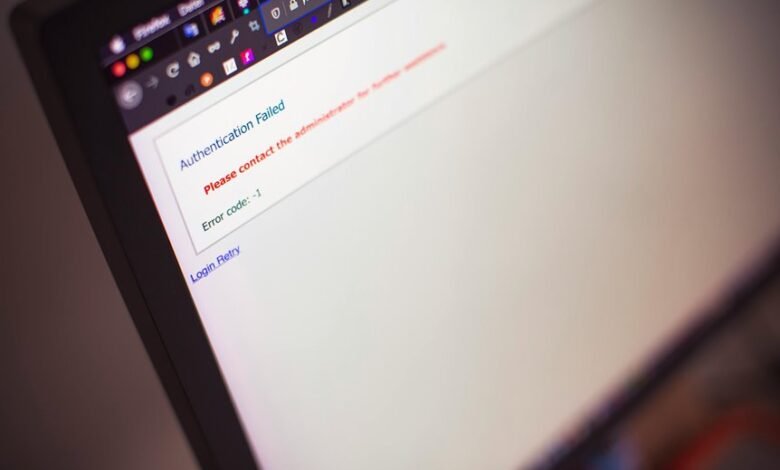
User retry attempts during service outages reveal critical insights into user behavior and service value perception. High-value services often see users persistently reattempt access, despite repeated failures. Conversely, negative experiences can lead to decreased engagement and perceived unreliability. Understanding these dynamics is essential for businesses aiming to enhance user loyalty and trust. Exploring the factors influencing retry behavior and effective communication strategies during outages is vital for improving overall system reliability.
Understanding User Retry Behavior
When users encounter an outage, their decision to retry accessing a service is influenced by various psychological and contextual factors.
User motivation plays a crucial role in shaping retry patterns; those who perceive high value in the service are more likely to attempt re-access.
Conversely, negative experiences or time constraints can diminish motivation, leading to reduced retry behavior and potential disengagement.
Common Causes of Service Outages
Service outages can arise from a variety of sources, each with distinct implications for user experience and operational continuity.
Common causes include network congestion, server overload, and software bugs.
Additionally, system misconfigurations and unexpected traffic spikes can exacerbate issues during scheduled maintenance windows, leading to prolonged service interruptions.
Understanding these factors is essential for implementing effective strategies to minimize outages and enhance system reliability.
Impact of Retry Attempts on User Experience
How do retry attempts during outages influence user satisfaction?
Frequent retry patterns can lead to significant user frustration, as users perceive system unreliability. The constant need to resend requests amplifies feelings of helplessness, detracting from overall experience.
Users may abandon tasks or seek alternatives, highlighting the impact of these attempts on loyalty and engagement.
Thus, understanding user sentiment during outages is crucial for enhancing satisfaction.
Strategies for Improving System Reliability
User frustration stemming from frequent retry attempts during outages underscores the need for robust system reliability strategies.
Implementing fault tolerance mechanisms allows systems to continue operating despite failures, while system redundancy provides backup resources to mitigate risks.
Conclusion
In conclusion, user retry attempts during service outages reveal the complex interplay between motivation and frustration. While high-value services may prompt persistent retries, the potential for disengagement looms large with repeated failures. Unreliable experiences can erode user loyalty, fostering skepticism and diminishing trust. Therefore, effective communication and robust alternative solutions are essential; they not only mitigate the adverse effects of outages but also reinforce user confidence, ensuring that users feel valued and engaged, even in times of disruption.